Foam mattresses are distinguished by their material composition, offering a range of densities and firmness levels designed to support different sleep positions and body types. In this category, foam technology emphasizes pressure relief, contouring support, and motion isolation, making them suitable for environments where a stable, quiet sleep surface is valued. Understanding mattress foam helps clarify how layers interact to influence comfort and durability.
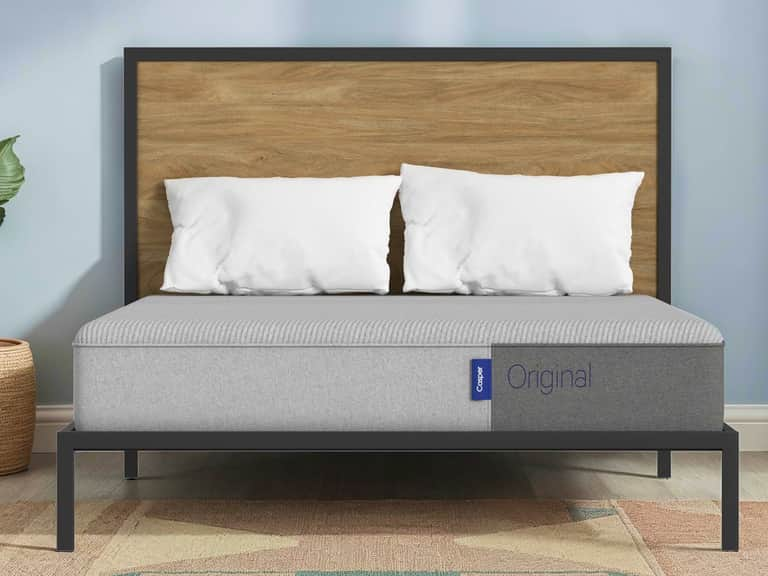
Original Mattress integrates high-density foam layers with targeted support zones to balance spinal alignment and cushioning. Its design emphasizes even weight distribution, reducing pressure points for side and back sleepers alike. By examining its construction, readers can evaluate how firmness, density, and airflow contribute to temperature regulation and long-term resilience.
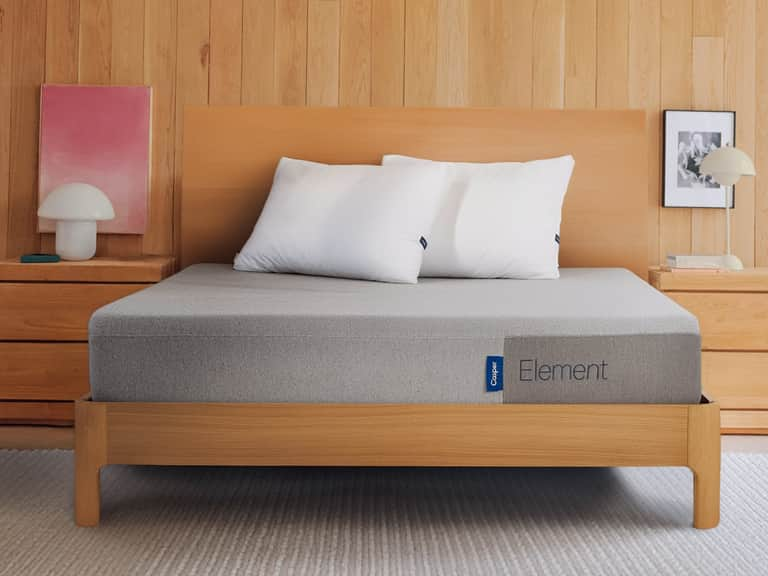
The Element Mattress showcases modular foam architecture intended to adapt to varying sleep preferences. Features often include a transition foam layer that mediates between a soft comfort surface and a firmer base, enhancing responsiveness while preserving support. This combination supports diverse postures, including combination sleepers who change positions overnight.
Key benefits of foam mattresses include efficient contouring that follows body curves, minimizing motion transfer for couples, and ease of setup on many bed frames. The materials also offer compatible options with diverse bedding, including pillows, sheets, and organic mattresses, contributing to a cohesive sleep environment that emphasizes comfort and health considerations.
In evaluating foam options, it is useful to consider factors such as density, resilience, temperature neutrality, and edge support. These elements influence overall durability and lifecycle performance. By comparing models like the Original and Element, one gains insight into how foam composition aligns with sleep goals, longevity, and practical maintenance needs.
 Mattresses