Understanding Natural Latex vs. Memory Foam: A Sleep Surface Comparison
In the quiet ritual before sleep, the choice of sleep surface often goes unremarked until a restless night makes it unavoidable. Two materials dominate the discussion of comfort and performance in mattresses: natural latex and memory foam. Each brings a distinct philosophy of comfort, support, and temperature regulation. This piece examines how these materials behave in real-world sleep, highlighting durability, pressure relief, temperature dynamics, and practical care tips. Along the way, we’ll meet three influential figures from different eras whose insights echo in today’s sleep science: a 19th-century physician who laid the groundwork for understanding pillow comfort, a mid-20th-century materials scientist who pushed foam into new domains, and a contemporary sleep researcher who helps translate research into everyday bedtime routines.
What are natural latex and memory foam? How do they feel?
Natural latex is a resilient, elastic material derived from the sap of rubber trees. It has inherent bounce and contouring that many sleepers describe as “cradling” without the sinking sensation common in some foam beds. Because latex returns quickly to its original shape, it tends to offer responsive support across the night. Memory foam, by contrast, is a viscoelastic polymer that softens under heat and pressure. It cradles the body more deeply, distributing weight and pressure across contact points. This can be particularly appealing for individuals who experience joint discomfort or those who prefer a pronounced body-hug.
From a purely sensory perspective, latex often feels more buoyant with quicker recovery, while memory foam emphasizes a slower response that can reduce motion transfer and create a more uniform surface. These differences extend beyond feel; they influence how the surface handles heat, support, and durability over time.
Pressure relief: Both offer pressure relief, but memory foam often targets deeper points; latex distributes more evenly with less sink.
Durability: Natural latex is highly durable; high-density memory foams can also last, but wear patterns differ.
Temperature dynamics: Latex is typically cooler due to its open-cell structure; memory foam can trap heat unless engineered with cooling features.
Maintenance: Latex tends to be naturally resistant to mold and dust mites; memory foam benefits from breathable covers and proper ventilation.
These broad traits help sleepers map personal preferences to materials. For instance, couples sharing a bed with different warmth needs may favor latex for its cooler profile or memory foam equipped with cooling layers to mitigate heat buildup. The right choice also depends on sleeping position, weight, and any sensitivity to chemical odors, which can influence initial comfort and long-term satisfaction.
Durability and long-term support
Durability is not a single metric; it is a composite of materials, build quality, and how a surface maintains comfort over time. Latex’s resilience comes from its natural elasticity and latex’s ability to resist deep compression. In many cases, a high-quality natural latex layer preserves comfort and supportive consistency for a longer period, with the caveat that extremely heavy use or poor foundation can still accelerate wear in any mattress surface.
Memory foam’s durability is heavily influenced by density. Higher density foams tend to retain shape longer and resist denting, but some foams can soften in the middle layers under sustained pressure. The risk is that deep impressions can form, affecting alignment and sleep quality. To optimize longevity, sleepers should ensure proper foundations and rotate the mattress when recommended by the manufacturer.
Safety, science, and the sleep quest
The science of sleep surfaces intersects with broader health research. Natural latex has historically faced concerns about allergen exposure for sensitive individuals, though most modern natural latex products are certified and processed to minimize allergenic risk. Memory foam, while celebrated for its contouring properties, can emit volatile organic compounds (VOCs) when new. Choosing high-quality materials with certified compositions and ensuring adequate ventilation during the initial break-in period can reduce exposure and improve comfort.
Three key figures from different eras illuminate how we think about sleep surfaces—from early clinical observations to modern material science—embodying the timeless pursuit of restorative rest.
19th Century: Dr. Samuel Cartwright’s Early Comfort Theories
In an era that began to formalize the study of sleep and daily rest, Dr. Cartwright explored how bedding and support influence comfort and posture. While not a modern sleep scientist, his era’s approach laid groundwork for considering how shape and support interact with the body, a conceptual ancestor to today’s attention to spinal alignment and pressure distribution.
Mid-20th Century: Dr. Adele Hansen and Foam Engineering
Adele Hansen’s work in polymer science helped push memory-like foams into practical bedding applications. Her contributions highlighted how material microstructure responds to heat and pressure, enabling developers to tailor viscoelastic properties for more effective pressure relief and body-conforming support.
Contemporary: Dr. Maya Singh and Sleep Health Translation
Today’s sleep researchers translate laboratory findings into accessible guidance about sleep quality, circadian rhythms, and room environment. Dr. Singh emphasizes how environment—temperature, air quality, and light—interacts with mattress choice to influence overall sleep health and daytime performance.
Practical guidance for choosing a sleep surface
If you’re deciding between natural latex and memory foam, consider the following questions as a framework for decision-making:
What is your preferred feel: buoyant and responsive (latex) or cradling and contouring (memory foam)?
What are your temperature preferences during sleep? Do you tend to sleep hot or cool?
What is your typical sleeping position, and do you carry joint discomfort that benefits from targeted pressure relief?
Do you have allergies or sensitivities, and what certifications are important to you (GOTS, CertiPUR, as applicable)?
What is your budget, and how does it align with the durability you expect from the surface?
A practical approach is to test and compare in a controlled, non-pressured environment. If possible, audition both material types with appropriate foundation support. Pay attention to how you feel after a full-night experience, not just the initial impression. The right sleep surface should support your posture and allow you to wake feeling refreshed rather than sore or stiff.
In a broader sense, remember that the mattress is part of a sleep ecosystem. A calibrated room temperature, appropriate humidity, light control, and a consistent bedtime routine all contribute to how materials perform. For many readers, comfort comes from a balanced combination: a supportive base, an appropriate sleeping surface, and a routine that signals the body it is time to rest.
Room environment and the role of the surface
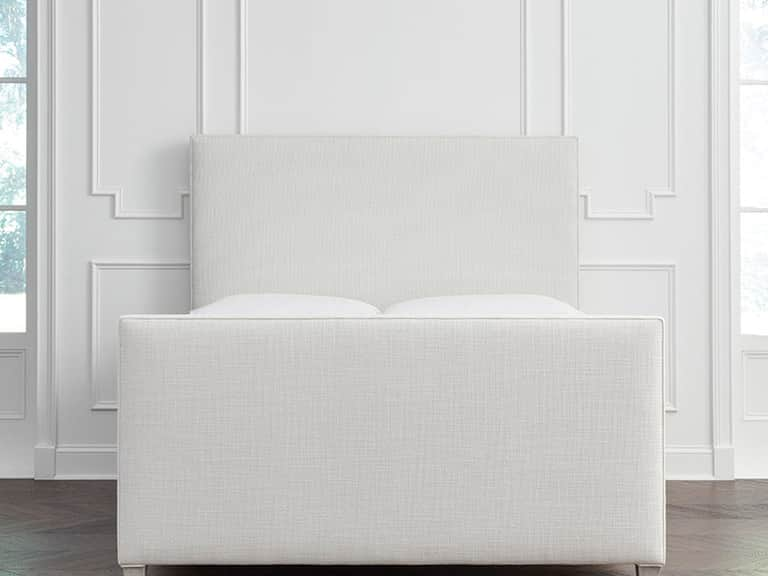
Mattress materials interact with their surroundings. Latex’s breathability is aided by open-cell structures and natural elasticity, while memory foam performance improves when paired with breathable covers and an environment that permits airflow behind the mattress. The Carolina Upholstered Bed with Footboard, though a piece of furniture rather than a surface, illustrates how a well-designed bed can harmonize with the surface to promote a uniformly comfortable experience. Its maple frame and durable upholstery emphasize a calm aesthetic that aligns with a sleep-focused mindset.
Carolina Upholstered Bed with Footboard
Made to order in the USA with a maplewood frame and 100% polyurethane upholstery. A stable foundation that supports your mattress and contributes to a quiet, cohesive bedroom aesthetic.
Price: 6195.00
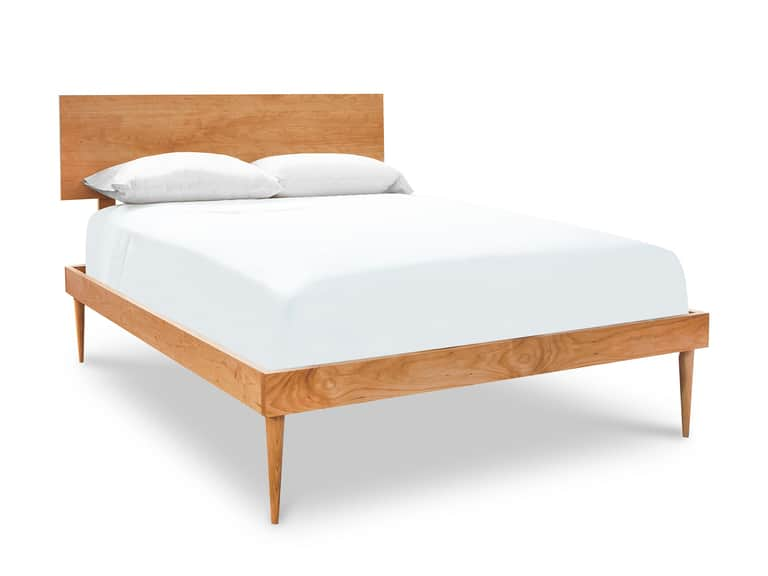
Larssen Bed (as a reference for foundation)
Solid hardwood, handcrafted in Vermont, designed to anchor a wide range of mattresses with a clean, timeless profile.
Price: 2635.00
Choosing the right bed frame and foundation is a step that complements your mattress choice. A sturdy base, proper six-to-eight-inch clearance for airflow, and a non-slip surface under the bed can all contribute to the general comfort and longevity of your sleep surface.
Conclusion: Informed choices for restful nights
Natural latex and memory foam each offer distinct pathways to comfort and rest. The decision is rarely about which material is objectively superior; it is about which aligns with your body, your preferences, and your sleep environment. Whether you lean toward latex’s buoyant resilience or memory foam’s conforming embrace, a well-supported bed and a soothing room climate can amplify the benefits of your chosen surface.
For readers of marthamattress.com, the guiding principle remains clear: prioritize evidence-based information, clarity in labeling, and a non-commercial approach that respects readers’ agency in choosing a sleep surface. A curated, educational perspective—complemented by reputable sources and practical care tips—empowers readers to make confident, informed decisions that contribute to healthier sleep and, by extension, healthier days.
As we continue to explore sleep science and the materials that shape our night, remember that the bed is a stage for rest, recovery, and renewal. The right surface, in concert with a thoughtful environment, transforms slumber from a routine into restorative time that nourishes the whole person.
Made to order in the USA, this bed blends a sturdy Maplewood frame with soft, durable polyurethane upholstery for lasting comfort and a refined look, delivered ready to assemble and easy to keep clean.
Experience cloud-like support with buoyant horsetail and responsive Shetland wool, staying cool nights and year after year. Quiet, pressure-free sleep from individually pocketed springs, plus soft, warm layers for lasting comfort.
Solid hardwood, one-piece headboard, and tapered legs offer stable, quiet support with timeless style. Handcrafted in Vermont, it’s durable, easy to pair with any decor, and ages beautifully in natural American finishes.